
If your jaw clicks, locks, or hurts, TMJ treatment in Charlottesville, VA, may help. Many people are surprised to learn these symptoms come from the temporomandibular joint. Local TMJ care is designed to relieve pain and improve jaw function. This guide covers the causes, diagnosis, and available treatments.

What Is a TMJ Disorder?
TMJ stands for temporomandibular joint. This is the small hinge that connects your lower jaw to your skull. You use this jaw joint when you chew, talk, yawn, or laugh. When the joint or nearby jaw muscles do not work as they should, you may have a TMJ disorder or temporomandibular joint disorder.
These TMJ disorders can cause:
- Jaw pain
- Headaches
- Ear pain
- Clicking or popping sounds
- Trouble opening or closing your mouth
Even a small problem in the joint can affect daily life and make simple tasks uncomfortable.
Common TMJ Symptoms
TMJ symptoms can be mild at first, then slowly get worse. Knowing the signs helps you seek TMJ treatment early.
Typical symptoms include:
- Jaw pain or soreness in the cheeks or temple area
- Clicking or popping when you open or close your mouth
- A feeling that the jaw is “stuck” or jaw locking in place
- Tight or tired jaw muscles
- Pain when chewing, biting, or talking
- Headaches or pain that spreads to the neck and shoulders
- Ear pain, ringing in the ears, or a feeling of fullness
- Pain when you wake up, which may point to night-time teeth grinding
If these symptoms last more than a few days or keep coming back, it is time to schedule a consultation for a full examination.
What Causes TMJ Pain?
TMJ pain can come from one cause or a mix of several factors. At Hamer & Glassick Orthodontics, we look at your whole lifestyle and health to find the most likely causes.
1. Bruxism (Teeth Grinding) and Jaw Clenching
Bruxism means you grind or clench your teeth, often without knowing it. It may happen during the day or at night while you sleep. Grinding and jaw clenching:
- Put heavy force on your jaw joint
- Strain the jaw muscles
- Wear down the teeth over time
This can lead to constant TMJ pain, muscle tension, and morning headaches.
2. Bite Misalignment
If your upper and lower teeth do not meet in a balanced way, you may have bite misalignment. When the bite is off, the jaw joint has to work harder to move. This extra strain can cause:
- Jaw joint pain
- Muscle spasms
- Clicking or popping sounds
- Reduced jaw movement
In these cases, orthodontics and bite correction can be an important part of your treatment plan. According to Dr. Nicole Crasto, a patient-focused orthodontist in Liberty Township, OH, fixing how your teeth meet can share the bite force more evenly and give your jaw joint a chance to heal.
3. Injury or Trauma
A hit to the face, car accident, sports injury, or even a fall can damage the joint. This kind of injury or trauma may lead to:
- Swelling and inflammation
- Joint stiffness
- Ongoing pain with jaw movement
Some people do not link an old injury to their current TMJ issues, but your doctor will ask about this during your examination.
4. Lifestyle, Posture, and Diet
Daily habits play a big role in TMJ health. TMJ problems can be made worse by:
- Poor posture, like slouching at a desk
- Chewing gum all day
- Biting on pens, ice, or fingernails
- Eating a lot of very hard or chewy foods
Gentle diet modifications and posture changes can reduce stress on the joint.
5. Stress and Muscle Tension
High stress can cause people to clench their jaws, grind their teeth, or keep muscles tight. This can lead to:
- Muscle spasms
- Tension headaches
- Jaw fatigue and soreness
That is why relaxation techniques and stress management are key parts of TMJ care.
How TMJ Is Diagnosed at Hamer & Glassick Orthodontics
At Hamer & Glassick Orthodontics in Charlottesville, TMJ diagnosis starts with a detailed look at your symptoms, bite, and habits. We want to find the root cause, not just treat the pain.
1. Health History and Symptom Review
Your doctor will ask:
- When your jaw pain started
- What makes it better or worse
- If you grind or clench your teeth
- If you have headaches, ear pain, or neck pain
- If you’ve had any injury or trauma to the jaw or face
This conversation gives important clues about your TMJ disorder.
2. Physical Examination of the Jaw and Muscles
Next, we gently examine:
- The jaw joint area, feeling for soreness or swelling
- The jaw muscles, checking for tight spots or muscle spasms
- How wide your mouth opens and if it moves smoothly
We also listen for clicking and popping as you open and close your mouth. This helps us see how the joint is working.
3. Bite and Jaw Alignment Assessment
Your bite affects how the jaw joint and muscles work together. We will check for:
- Crowding or spacing in the teeth
- Overbite or underbite
- Signs of grinding on the teeth
- Jaw shifts when you close your mouth
Since we specialize in orthodontics, we pay close attention to how jaw alignment and bite might be linked to your TMJ symptoms.
4. Imaging and Further Testing (If Needed)
In some cases, we may recommend X‑rays or other imaging to view:
- The shape of the joint
- Signs of wear, arthritis, or other changes
- The way the jaw fits into the joint
These tools help confirm a temporomandibular joint disorder and guide your treatment plan.
Non-Surgical TMJ Treatment Options
At Hamer & Glassick Orthodontics, we start with non-surgical treatment options to relieve TMJ pain and protect the joint. Many patients feel better with a mix of simple tools and lifestyle changes.
1. Mouthguard and Appliance Therapy
A custom mouthguard, bite splint, or other appliance therapy is often the first step. This special device:
- Fits over your upper or lower teeth
- Reduces teeth grinding and clenching
- Eases pressure on the jaw joint
- Helps the muscles relax
Wearing a mouthguard at night can support TMJ pain relief and protect your teeth from damage.
2. Jaw Exercises and Gentle Therapy
We may suggest simple jaw exercises to improve movement and reduce pain. These might include:
- Gentle stretching to increase range of motion
- Light resistance exercises to build support
- Controlled opening and closing drills
We may also recommend massage therapy or guided jaw muscle work to relieve tension and improve blood flow.
3. Relaxation Techniques and Stress Management
Because stress can make TMJ worse, we often include relaxation techniques in your plan, such as:
- Deep breathing exercises
- Short breaks to relax the jaw during the day
- Mindfulness or simple stretch routines
These steps help lower overall muscle tension and protect your jaw from clenching.
4. Diet and Lifestyle Modifications
To reduce joint strain while you heal, we may suggest:
- Softer foods like yogurt, eggs, pasta, cooked veggies, and smoothies
- Avoiding tough meats, hard rolls, and very chewy snacks
- Cutting back on gum, ice chewing, or biting on objects
These diet modifications and small lifestyle changes can give the joint time to rest.
5. Medications for Pain Relief
For short-term pain relief, your dentist or physician may recommend:
- Over-the-counter pain medicine
- Anti-inflammatory drugs to reduce inflammation
- Short-term muscle relaxants to ease strong muscle spasms
These medicines are usually combined with other TMJ therapies so you get both relief and long-term improvement.
Advanced TMJ Treatment Options
If basic care is not enough, or if your TMJ disorder is more complex, we may discuss additional options.
Orthodontics and Bite Correction
If bite misalignment is a major cause of your TMJ problems, orthodontic treatment may be part of your treatment plan. Straightening teeth and aligning the bite can:
- Balance pressure on the jaw joint
- Improve jaw function
- Reduce future strain on the muscles and joints
Because Hamer & Glassick Orthodontics is focused on bite and jaw health, we can design treatment that supports both a healthier smile and a healthier TMJ.
Botox for Muscle Tension (If Appropriate)
In some cases, botox may be used to relax very tight jaw muscles. Botox:
- Reduces strong clenching forces
- Eases chronic muscle tension
- Can lower pain in the joint and surrounding areas
This is usually considered when other options have not provided enough relief and is always discussed in detail before use.
Working with Other Providers
Some patients benefit from a combined approach. In these cases, we may work with:
- Physical therapists for targeted jaw and neck therapy
- Medical doctors for pain and sleep issues
- In some cases, chiropractic care may be part of a broader plan
Our goal is always your comfort and long-term joint health.
Is Surgery Ever Needed for TMJ?
Most people with TMJ disorders never need surgery. Surgery is a last step and is only considered if:
- There is severe joint damage
- The jaw cannot open or close normally
- Other forms of tmj treatment have not worked
If surgery is ever on the table, we will explain every step and help you weigh risks and benefits. Our focus remains on the least invasive methods that can safely give you relief.
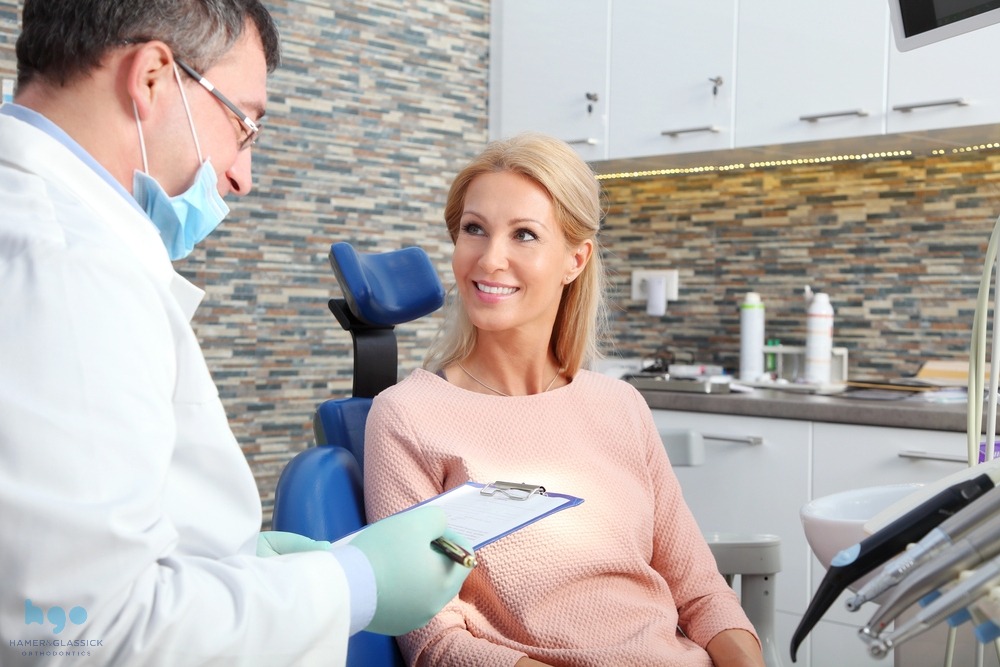
Your Comfort Comes First
At Hamer & Glassick Orthodontics in Charlottesville, patient comfort is our priority. From your first visit, we:
- Listen carefully to your concerns
- Explain findings in clear, simple terms
- Create a custom plan that fits your lifestyle
- Adjust as needed based on your progress
We know TMJ pain can affect sleep, work, and family time. Our goal is to restore comfort and function so you can enjoy life again.
Get Relief and Restore Your Jaw Comfort
If jaw pain, clicking, or daily discomfort is affecting your life, you don’t have to keep pushing through it. At Hamer & Glassick Orthodontics in Charlottesville, VA, our team is committed to helping you understand your symptoms and guiding you toward gentle, effective TMJ relief. With a personalized treatment plan tailored to your bite, habits, and lifestyle, you can finally move through your day without constant jaw tension or headaches.
Schedule your TMJ consultation today and take the first step toward easier chewing, better sleep, and a healthier, more comfortable smile.
About the Authors
Dr. Andy Glassick – Orthodontist in Charlottesville, VA
Dr. Nicole Crasto – Orthodontist in Liberty Township and Hamilton, OH
Frequently Asked Questions
How long does TMJ treatment usually take?
TMJ treatment time depends on what’s causing the disorder, how severe the symptoms are, and how consistently you follow your care plan. Some patients feel better within a few weeks using a night guard and making habit adjustments, while others may need several months of therapy, exercises, and bite correction to achieve long-term relief.
What symptoms are commonly associated with TMJ disorders?
TMJ disorders often show up as jaw pain, clicking or popping sounds, stiffness or locking of the jaw, tight jaw muscles, headaches, neck tension, and ear discomfort. These issues can make everyday activities like chewing, talking, or smiling feel uncomfortable. Seeing a TMJ specialist early can help stop symptoms from getting worse and restore healthy jaw movement.
How can TMJ be treated without surgery?
Most TMJ conditions improve with non-surgical care. Treatment may include custom night guards or bite splints to reduce grinding, physical therapy and specific jaw exercises, lifestyle and habit changes, and short-term medications for pain or muscle tension. When bite misalignment contributes to the problem, orthodontic treatment may also help relieve strain on the jaw joint.