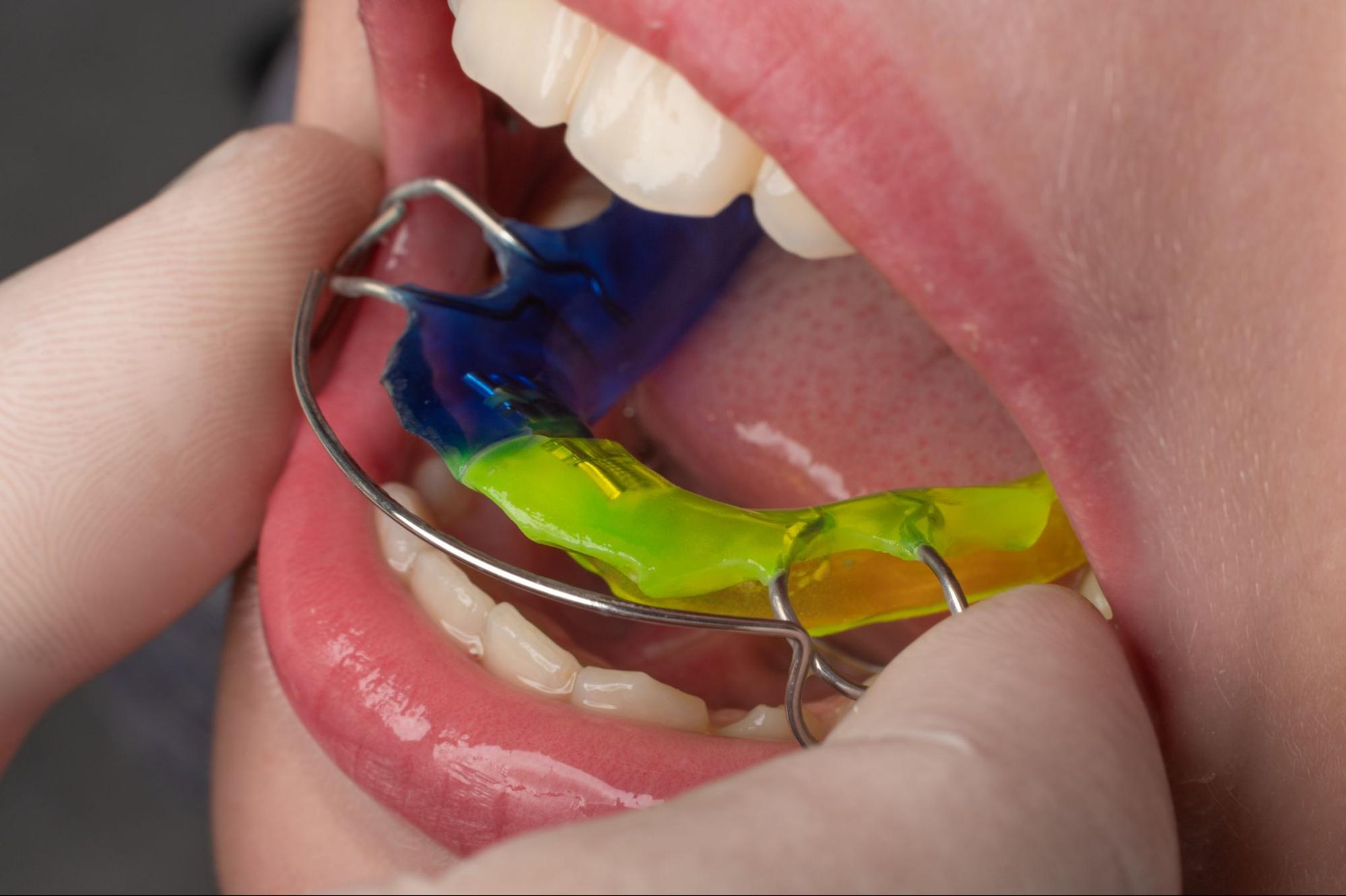
Your retainer does more heavy lifting than most people realize. After months (or years) of braces or Invisalign, this small appliance keeps your teeth exactly where they belong. Without it, your teeth can start drifting back toward their original positions within days. If you’re wondering what you should do if you lose or damage your retainers, you’re not alone. It’s one of the most common questions offices hear.

Why Your Retainer Matters, and What Happens When It’s Lost or Damaged
Your retainer protects the new smile you worked hard to achieve. The bone and tissue surrounding your teeth need time to stabilize in their new positions, and during this settling period, your retainer holds everything in place while your mouth adjusts to its new alignment. At Hamer & Glassick Orthodontics, Dr. Hamer and Dr. Glassick remind every patient that retention is just as important as the active phase of treatment.
So what happens when your retainer goes missing or gets damaged?
A lost retainer means your teeth have nothing holding them steady. Even a few nights without wear can lead to subtle shifts. A cracked or warped retainer creates a different problem, since it may apply uneven pressure on certain teeth, potentially pushing them in directions you don’t want. Wearing a damaged retainer can actually harm your teeth and gums rather than protect them.
Here’s what works in your favor: acting fast makes all the difference. The sooner you address a lost or damaged retainer, the easier it is to keep your smile on track. Your board-certified orthodontist sees these situations regularly and can help you get back on course quickly.
Immediate Steps to Take If You Lose or Damage Your Retainer
If your retainer is lost or broken, taking quick action can prevent your teeth from shifting. Contact your orthodontist right away, stop wearing a damaged retainer, and schedule an evaluation for a replacement. Here’s a step-by-step breakdown:
Don’t panic. Losing or breaking a retainer is more common than you might think. Here’s exactly what to do:
Step 1: Contact your office right away.
Call as soon as you realize the retainer is lost or damaged. The sooner the team at Hamer & Glassick Orthodontics knows, the sooner they can schedule you for a replacement. Most offices can fit you in within a few days for urgent retainer issues. Speed matters here, especially if you’re still in the first year after completing your smile journey.
Step 2: Stop wearing a damaged retainer.
A retainer that’s cracked, bent, or warped doesn’t belong in your mouth. It can push your teeth in the wrong direction. Going without temporarily is better than creating new problems.
Step 3: Schedule an appointment for evaluation.
Dr. Hamer or Dr. Glassick will need to check your teeth and take new digital scans. This ensures your replacement retainer fits your current tooth positions perfectly.
Step 4: Ask about temporary solutions.
What if getting a new retainer takes a week or more? Some offices keep backup retainers on file or can provide a temporary option to minimize shifting. It’s always worth asking.
Step 5: If you’re traveling, seek local guidance.
Stuck away from home? A local board-certified orthodontist may be able to provide a temporary retainer or at least evaluate whether your teeth are stable. Contact your home office too so they can coordinate.
Every day without a retainer gives your teeth more opportunity to move. Speed is your best friend here.
Benefits of Replacing Your Retainer Quickly
Replacing a lost or damaged retainer quickly prevents orthodontic relapse, protects your bite alignment, and avoids costly re-treatment. Fast replacement keeps teeth stable during the critical stabilization period and saves you from the expense and time of starting over with braces or aligners. Getting a replacement fast isn’t just convenient, it protects everything you worked for.
Why Does Quick Replacement Prevent Relapse?
Teeth have a natural tendency to drift back toward their original positions. Orthodontists call this “relapse,” and it can start sooner than most people expect. Timing matters here. A retainer stops this movement before it gains momentum. When you replace a lost or damaged retainer within days rather than weeks, you’re catching the problem before any real shifting occurs.
Skipping replacement also puts your bite at risk. Your retainer doesn’t just keep your teeth straight. It preserves the way your upper and lower teeth fit together. Once that bite alignment shifts, correcting it often means starting over with braces or aligners, which means more time, more appointments, and more expense.
How Does a Retainer Protect Your Oral Health?
Properly aligned teeth are easier to clean and less prone to uneven wear. Crowded or overlapping teeth create tight spaces where plaque builds up, and that raises your risk for cavities and gum disease over time. Keeping your teeth in place with a retainer supports long-term dental health in ways that go well beyond appearance.
Then there’s the confidence factor. You spent months achieving your new smile, and a quick retainer replacement ensures you keep enjoying it.
A small cost now can save you from a much larger one later if re-treatment becomes necessary.
What Are the Different Retainer Replacement Options?
The three main retainer types differ in durability, visibility, and cost. Here’s how they compare when it comes to replacement:
What Is a Hawley Retainer?
If you want something durable and adjustable, Hawley retainers are a solid pick. They feature a wire that wraps around your front teeth with an acrylic plate that rests against the roof of your mouth (or behind your lower teeth). They can often be repaired if damaged, which saves you from buying a full replacement every time something goes wrong. At Hamer & Glassick Orthodontics, the team can evaluate whether your Hawley retainer needs a simple repair or a full replacement.
What Is an Essix Retainer?
Essix retainers look similar to Invisalign aligners. They’re clear, discreet, and comfortable, making them a popular choice for people who don’t want anything visible. The tradeoff is that they wear out faster and can’t be fixed if cracked. Plan on replacing them more frequently.
Which Retainer Type Is Best for You?
You can’t lose a permanent retainer because it’s a thin wire bonded to the back of your teeth. But if the wire breaks or a bond fails, you’ll need your orthodontist to repair it promptly. Many patients benefit from combining a permanent retainer on the lower teeth with a removable retainer for backup.
Dr. Hamer or Dr. Glassick will recommend the best option based on your time in braces or aligners and your lifestyle.
How Much Does a Replacement Retainer Cost?
A replacement retainer typically costs anywhere from around $100 to $600, depending on the type you need, your location, and whether your insurance covers any portion of the cost. Prices also vary based on whether you need one arch or both, and many offices like Hamer & Glassick Orthodontics offer budget-friendly financing options to make replacements more accessible.
What about insurance?
Coverage varies widely. Some dental plans cover retainer replacements partially or fully, while others don’t include them at all. Call your insurance provider to check your specific benefits before your appointment.

How Long Can You Go Without Wearing Your Retainer?
How long you can go without a retainer depends on how recently you finished with braces or aligners. A few days may cause minimal shifting, but going a month or more can lead to visible movement. Patients in their first year after completing their smile journey face the highest risk of relapse.
Can my dentist make a replacement retainer?
General dentists can create certain types of retainers in some cases. However, your board-certified orthodontist has your complete records from your smile journey and knows exactly how your teeth should be positioned. For the most accurate fit, Dr. Hamer or Dr. Glassick at Hamer & Glassick Orthodontics is typically the best choice.